New hobby wishlist: start small and keep going
Build a beginner-friendly hobby wishlist around one first project, the right supplies, and a realistic place to practice.
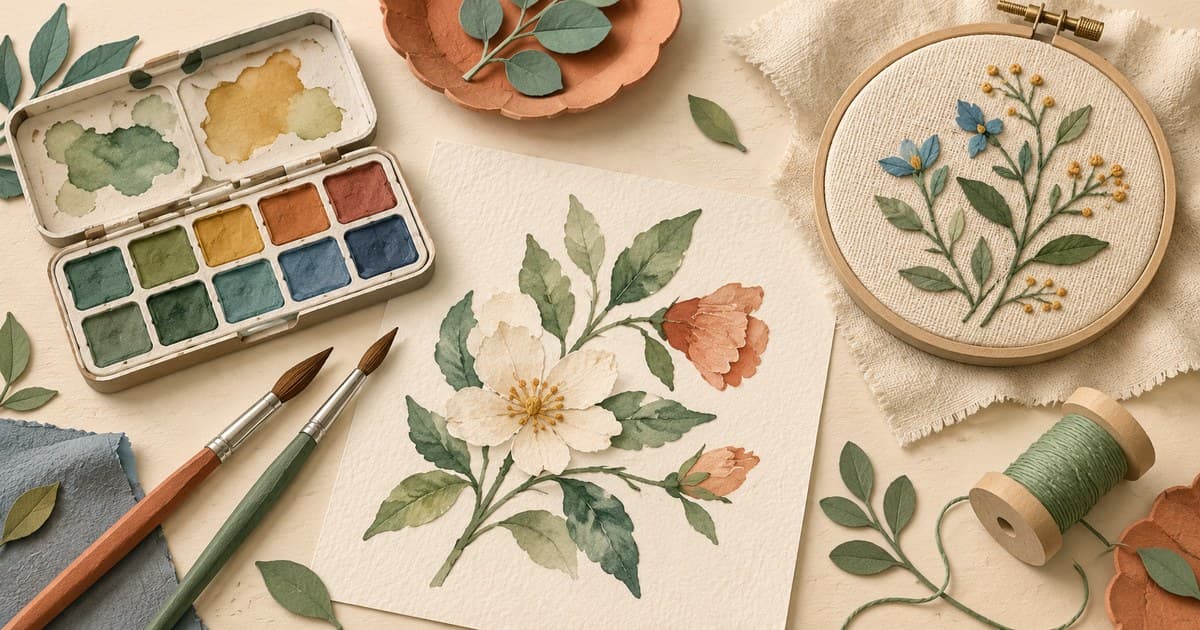
Pick your first project before your equipment
Starting a hobby is exciting. It is also easy to make a wishlist that looks like a fully equipped studio before you have tried a single session.
Choose one small thing you want to finish: paint a postcard, mend a shirt, grow herbs in a pot, or learn to play a short song. That project gives your list a clear boundary. Each gift should help you begin, practice, or complete it.
You can always add specialist tools later, once you know what you enjoy.
Separate essentials from interesting extras
Write down the minimum materials your first project requires. If you are following a class or tutorial, use its supply list rather than mixing equipment from several unrelated guides.
A simple watercolor postcard project might need:
- a small beginner paint set;
- one suitable brush;
- a few sheets of watercolor paper;
- a reusable water container you already own;
- a short lesson or library book.
The large easel, dozens of paint colors, and professional carrying case can wait. A focused list is easier for guests to understand and gives you fewer decisions before your first attempt.
Add a note explaining which items form one starter set and which are alternatives. Someone buying a complete kit should not accidentally duplicate every separate supply.
Describe the details a beginner can easily miss
Two products with similar names may serve different purposes. Give guests the specifications you have already checked.
For sewing, that could mean the type of fabric and the size of an embroidery hoop. For music, it might be an accessory compatible with the instrument you own. For gardening, describe the pot dimensions and where it will stand.
Use a short note:
I am trying hand embroidery. A beginner kit with the fabric, hoop, thread, needle, and instructions included would help me finish one small design. Any botanical pattern is welcome.
If you have not decided what equipment suits you, a lesson with borrowed materials may be a better first gift. It gives you a chance to try tools before choosing your own.
Ask for help getting past the first session
The obstacle is not always equipment. Sometimes you need a place to work, a little instruction, or a reason to return the following week.
Consider adding:
- a beginner workshop with supplies included;
- a practice session with a willing friend;
- entry to an open studio;
- a small storage pouch that fits the materials;
- enough consumables for a second project;
- a book of simple exercises at your level.
Describe any class scheduling limits. “A weekend workshop, with the date chosen together” leaves more room than a fixed booking you may be unable to attend.
Match gifts to the space and time you have
A hobby should fit your current life. If you can practice at the kitchen table for half an hour, choose supplies that are easy to set up, pack away, and store safely.
Think about cleanup, noise, shared surfaces, and any equipment you would need to leave in place. A compact project bag may be more useful than a large workbench.
Keep the first goal small enough to complete without buying another long list of supplies. Finishing one imperfect project can teach you more about your preferences than collecting equipment for ten possible ones.
Offer several ways to support the same goal
Guests can contribute at different price points without turning your list into unrelated objects. A few sheets of good paper, a beginner kit, and a class can all support the same first project.
Include a sentence about why you want to try the hobby: “I would love a quiet activity for Sunday afternoons” or “I want to learn how to repair clothes I already wear.” That context helps someone choose an alternative thoughtfully.
Quick questions
Should I ask for professional equipment?
Only when you understand why a particular feature matters for your project. For an untested interest, borrowing or a modest starter option leaves more flexibility.
What if I stop enjoying the hobby?
Trying something is still worthwhile. Start with reusable, shareable supplies and avoid making a long subscription or a large collection your first request.
Can I list a class instead of materials?
Yes. Mention the level, location, available times, and whether materials should be included. Agree on the date before anyone books.
Build a list that helps you begin
Your first hobby wishlist does not need to prepare you for every future project. It needs to make one enjoyable attempt possible. Choose a clear goal, a manageable set of supplies, and a way to practice again if you like it.